Sip Before You Sup: How the French Aperitif Is Quietly Transforming the American Dinner Table
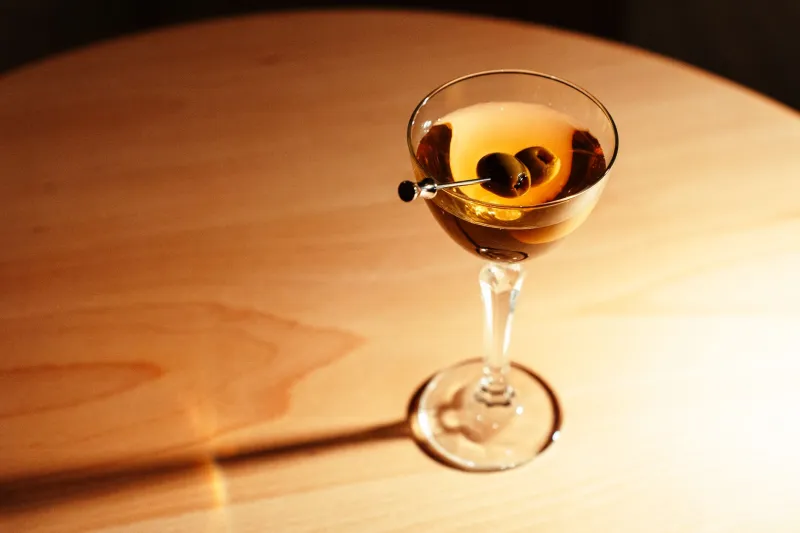
The Quiet Revolution Happening Before the First Bite
There is a particular kind of patience embedded in French dining culture — one that Americans, accustomed to the relentless pace of their own lives, have historically struggled to adopt. Yet something is shifting. Across cities like New York, Chicago, and Los Angeles, a growing number of hosts and restaurant-goers are rediscovering the aperitif: that deliberate, elegant pause before the meal begins. At Anisette Brasserie, we have long understood the aperitif not merely as a drink, but as an invitation — a signal that the evening is worthy of your full attention.
The word itself derives from the Latin aperire, meaning "to open." And that is precisely what a well-chosen aperitif does: it opens the palate, loosens the conversation, and gently prepares the digestive system for what is to come. In France, this ritual is not considered a luxury. It is simply how a proper meal begins.
A Brief History Steeped in Anise
The aperitif tradition traces its formal origins to the late 18th century, when French physicians began recommending herbal, lightly bitter drinks to stimulate appetite before dining. By the 19th century, cafés throughout Paris, Lyon, and Marseille had institutionalized the practice, offering guests a glass of vermouth, Dubonnet, or the boldly aromatic pastis as a matter of course.
Pastis, perhaps the most iconic of the anise-forward aperitifs, became the signature spirit of southern France following the ban on absinthe in 1915. Brands such as Pernod and Ricard filled the void with their distinctive licorice-tinged profiles, diluted with cold water in a ratio of roughly five parts water to one part spirit — a preparation that transforms the amber liquid into a milky, opalescent cloud. The ritual of watching that transformation unfold in the glass is, in itself, a kind of theater.
At Anisette Brasserie, our very name pays homage to this tradition. Anisette — a sweet, anise-flavored liqueur — represents the spirit of unhurried pleasure that defines the French approach to the table. It is a philosophy we bring to every service, every season, every glass.
Why Americans Are Finally Listening
For decades, American dining culture favored efficiency over ceremony. Cocktail hour existed, certainly, but it rarely carried the intentional, appetite-focused purpose of its French counterpart. The aperitif was something encountered on European vacations and promptly forgotten upon returning home.
That is changing. Several forces are converging to bring the pre-dinner ritual into the American mainstream. The rise of the "slow food" movement has encouraged diners to reclaim the meal as an experience rather than a transaction. The explosion of craft spirits and imported French liqueurs in American markets has made ingredients more accessible than ever. And a broader cultural appetite for sophistication — for things that feel considered and unhurried — has made the aperitif feel not archaic, but aspirational.
Food writers, lifestyle editors, and home entertaining enthusiasts have all taken notice. The aperitif hour, once confined to Parisian terraces, is now appearing in Brooklyn brownstones, Nashville dining rooms, and San Francisco rooftop gatherings.
Choosing Your Aperitif: A Primer for the American Host
The beauty of aperitif culture lies in its range. There is no single correct choice — only the principle that the drink should be lower in alcohol than a cocktail, slightly bitter or herbal in character, and designed to whet rather than overwhelm the appetite.
Pastis and Pernod remain the quintessential anise-forward options, best served diluted with cold water and accompanied by a small bowl of olives or salted almonds. Their bold, fennel-kissed profiles are assertive enough to be interesting, yet sufficiently restrained to leave room for the meal ahead.
Lillet Blanc offers a gentler entry point — a wine-based aperitif from Bordeaux with notes of honey, orange peel, and a whisper of quinine. Served chilled over ice with a slice of orange, it is approachable for guests unfamiliar with more assertive spirits.
Dry vermouth, particularly the French variety, has enjoyed a remarkable renaissance in recent years. Served neat and cold with a twist of lemon, it rewards those who take the time to appreciate its complexity.
Kir — a simple blend of white Burgundy wine and a splash of blackcurrant liqueur — provides a festive, fruit-forward option that pairs beautifully with canapes and light hors d'oeuvres.
A Simple Aperitif Menu for Your Next Dinner Party
Creating an aperitif moment at home requires very little beyond intention. Consider the following pairing as a starting point:
Classic Pastis Service Pour 1.5 oz of pastis into a tall glass. Add five parts cold, still water and two ice cubes. Do not stir — allow the louche to develop naturally. Serve alongside Niçoise olives, thin slices of saucisson sec, and a small ramekin of tapenade on toasted baguette rounds.
Lillet Blanc Spritz Combine 3 oz of Lillet Blanc with 1 oz of sparkling water over ice in a wine glass. Garnish with a wide strip of orange zest. Pair with gougères — those irresistible French cheese puffs — or a simple crudité platter with a tarragon-scented dip.
The key is to keep the food light and the conversation unhurried. The aperitif hour should last no more than forty-five minutes to an hour; beyond that, it risks blurring into the meal itself and losing its distinct identity.
Slowing Down Is the Point
Perhaps the most radical thing about the aperitif tradition is not the drink itself, but the philosophy it embodies. In a culture that prizes productivity above almost everything else, deliberately pausing before eating — setting down your phone, pouring something thoughtful, and simply being present with your guests — is a quietly countercultural act.
At Anisette Brasserie, we believe that the meal begins long before the amuse-bouche arrives. It begins with the first sip, the first shared laugh, the first moment of genuine relaxation. That is the true gift of the aperitif: not merely a stimulated appetite, but an awakened sense of occasion.
We invite you to bring that spirit to your own table — and to discover, as the French have always known, that the best meals are the ones that begin before they begin.