Honor the Whole: The French Brasserie Principle of Culinary Respect That American Kitchens Need Now
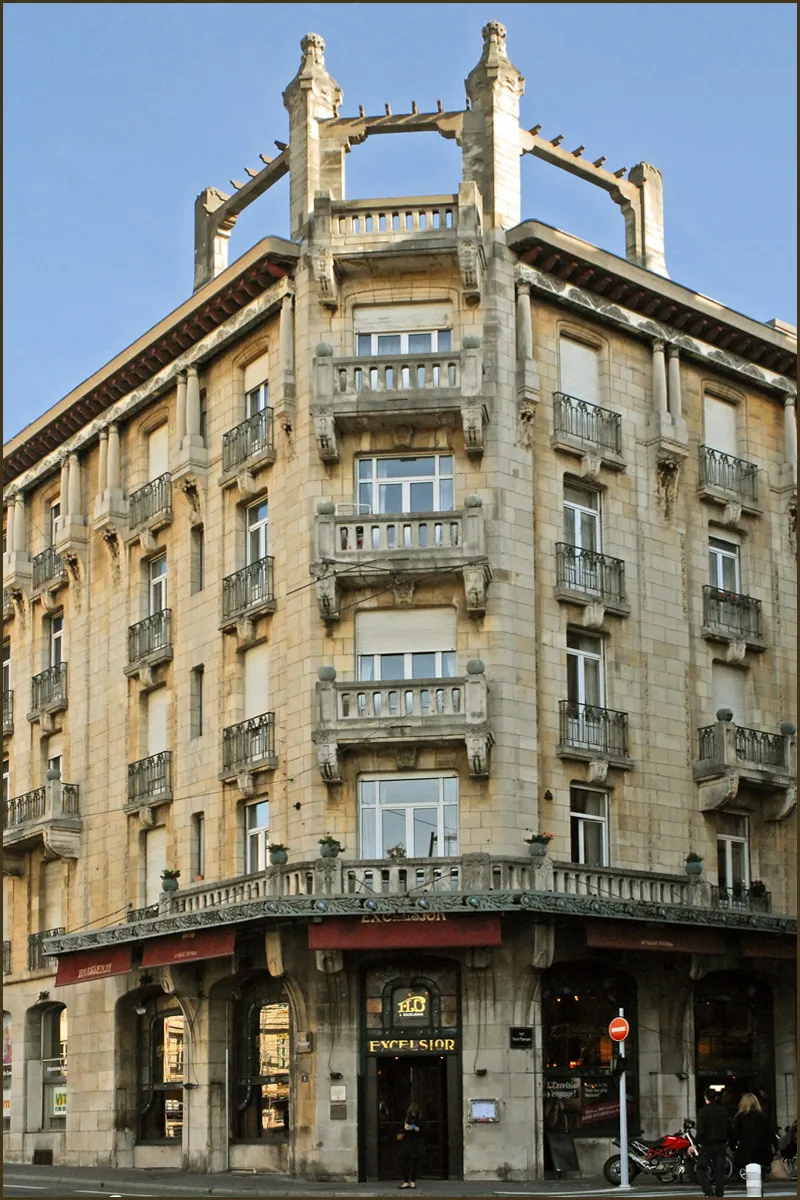
Photo: Jean-Pierre Dalbéra from Paris, France, CC BY 2.0, via Wikimedia Commons
A good French cook does not look at a leek and see only the white stalk. She sees the dark green tops, fibrous and assertive, ideal for a bouquet garni or a long-simmered stock. She sees the roots, which, briefly charred, will deepen a broth with a smokiness no bottled substitute can replicate. She sees, in short, an ingredient in its entirety — and she intends to use all of it.
This is the foundational instinct of French brasserie cooking: nothing of value is discarded, and almost nothing lacks value once you understand it properly. It is a philosophy born not of austerity but of intelligence — the accumulated wisdom of cooks who learned, over generations, that the parts Americans routinely discard are often the parts that carry the most flavor.
The French Concept of Culinary Respect
In France, the relationship between cook and ingredient is understood as one of mutual obligation. The cook is responsible for extracting the full potential of what the land and the market have provided. To waste is not merely inefficient — it is a failure of craft, a betrayal of the farmer who grew the carrot, the butcher who broke down the animal, the fisherman who brought in the catch.
This ethic manifests in practices that run throughout the French culinary tradition. Fond, the stock that forms the backbone of classical French sauces, is built from the bones, cartilage, and aromatic scraps that would fill an American kitchen's trash bin. Confit, one of the most celebrated techniques in the French canon, was developed as a method of preserving less desirable cuts of duck and goose — the legs and thighs — through slow cooking in their own rendered fat. What began as preservation became, over time, one of the most prized preparations in the French repertoire.
The brasserie tradition, rooted in the practical cooking of working neighborhoods, carries this ethic with particular conviction. Where a haute cuisine kitchen might have the luxury of selectivity, the brasserie cook works within the logic of what is available, what is seasonal, and what is whole.
What Americans Throw Away — And What They're Missing
American food culture has long operated on a model of abundance, and abundance, it turns out, is not always an ally of flavor. The standard American approach to many ingredients is to use the most convenient portion and discard the rest. Chicken breasts arrive boneless and skinless. Vegetables come pre-trimmed, their tops and roots already removed. Fish fillets appear without heads or frames. The convenience is real, but the culinary cost is significant.
Consider the chicken carcass. After a roast chicken dinner — one of the simplest and most satisfying meals in any tradition — most American households discard the bones within minutes of clearing the plates. In a French kitchen, those bones go immediately into a pot with cold water, a halved onion, a few peppercorns, and whatever vegetable scraps have accumulated through the week. What emerges, after several hours of gentle simmering, is a fond de volaille — a chicken stock of a quality no store-bought product can approach. It becomes the base for a sauce, a soup, a risotto, or a braise. The roast chicken, in this sense, provides not one meal but several.
The same logic applies to fish. The frames and heads of a whole fish, often available at no charge from a fishmonger willing to save them, yield a fumet de poisson — a delicate fish stock that forms the foundation of classic preparations like sole meunière sauce or a Provençal bouillabaisse. Shrimp shells, briefly sautéed in butter and simmered with wine and aromatics, produce a bisque base of extraordinary depth. These are not exotic techniques. They are the ordinary practices of a kitchen that takes its ingredients seriously.
Root to Leaf: The Vegetable in Full
The French approach to vegetables is equally comprehensive. The outer leaves of a cabbage, too tough for a salad, become the wrapping for a chou farci — stuffed cabbage, braised slowly in stock. Carrot tops, bitter and herbaceous, are used in stocks or blended into a pistou. Fennel fronds, which most American recipes instruct the cook to discard, are finely chopped and scattered over a finished dish as a bright, anise-scented garnish — an echo of the brasserie's beloved anisette in vegetable form.
Beet greens, turnip tops, and radish leaves — all of which appear routinely in French markets and French home kitchens — are treated as ingredients in their own right, sautéed in butter with garlic, or wilted into a warm salad. The French cook's market basket contains not just the vegetables themselves but their full botanical context.
This approach requires a shift in perception before it requires any new technique. The cook must learn to look at an ingredient and ask not what do I use? but what can I use? The answer, more often than not, is: more than you think.
Specific Techniques Worth Adopting
For American home cooks interested in embracing this philosophy, a few foundational techniques offer an excellent starting point.
The perpetual stock pot is perhaps the simplest entry point. Reserve all vegetable trimmings — onion skins, celery leaves, parsley stems, mushroom stems, corn cobs — in a container in the freezer. When sufficient volume accumulates, simmer them with water and a few peppercorns for an hour. The resulting vegetable stock adds depth to any preparation that calls for liquid.
Rendering fat from the skin and fat cap of duck, pork, or chicken produces a cooking medium of remarkable richness. Duck fat, in particular, is the medium in which French brasseries cook their most celebrated fried potatoes — pommes sarladaises — and its flavor is entirely without peer.
Bone marrow, long dismissed in American kitchens, has begun its rehabilitation through the influence of chefs who understand what French cooks have always known: roasted marrow, spread on grilled bread with a pinch of fleur de sel, is among the most luxurious preparations imaginable, and it costs almost nothing.
Herb stem infusions — simmering the stems of parsley, thyme, or tarragon in cream or butter before straining — extract the full aromatic potential of an herb, not merely its leaves.
Resourcefulness as Refinement
There is a tendency in American food culture to associate frugality with a certain lowering of standards — as if the most expensive preparation must necessarily be the finest. The French brasserie tradition offers a compelling counterargument. Some of the most celebrated dishes in the French canon — pot-au-feu, blanquette de veau, tête de veau — are built from the humbler parts of the animal, coaxed by technique and time into something extraordinary.
Resourcefulness, in this tradition, is not a compromise. It is a form of mastery. The cook who can take what others discard and transform it into something worth savoring has demonstrated a deeper command of the kitchen than the one who requires only premium ingredients.
As American chefs and home cooks increasingly embrace this approach — driven by a confluence of sustainability awareness, culinary curiosity, and rising food costs — they are arriving at a truth the French brasserie has embodied for centuries: to honor the whole ingredient is not a limitation. It is, in every meaningful sense, the beginning of cooking well.