Everything in Its Place: How the French Kitchen Principle of Mise en Place Can Transform the Way Americans Cook at Home
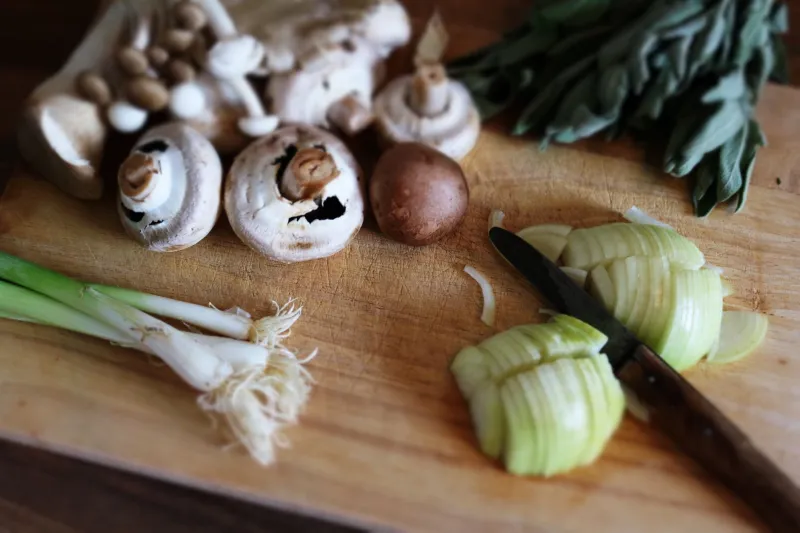
Ask any culinary school graduate what they remember most from their first weeks of training, and a significant number will mention the same thing: the moment a chef instructor pointed to a disorganized station and said, quietly but firmly, mise en place. Two words. A French phrase meaning, in its most literal translation, "put in place." And yet those two words contain an entire philosophy of how to approach not just cooking, but the mental state required to cook well.
For most American home cooks, dinner preparation is an exercise in managed chaos. Onions are diced while the pan overheats. Garlic is added too early because the next ingredient wasn't ready. A sauce breaks because attention was divided between three tasks that should have been completed before the burner was ever turned on. The result is edible — sometimes even good — but the experience of getting there is stressful in a way that makes cooking feel like a burden rather than a pleasure.
Mise en place is the antidote. And its relevance extends well beyond the professional kitchen.
What the Phrase Actually Means
In French culinary tradition, mise en place refers to the preparation and organization of every ingredient, tool, and component a cook will need before cooking begins. Vegetables are washed, peeled, and cut. Stocks are warm and accessible. Spices are measured. Knives are sharp and positioned correctly. Nothing is left to be improvised under pressure.
This practice emerged from the demands of the professional kitchen, where multiple cooks must work in close quarters at high speed without collision — physical or culinary. But its value was never limited to the brigade context. The underlying principle is about cognitive clarity: when every element of a task is prepared in advance, the mind is free to focus entirely on execution.
Cooks who practice genuine mise en place describe the experience of cooking as qualitatively different from what they knew before. The phrase they use most often is control. Not rigidity — control. The confidence that comes from knowing exactly what is available, where it is, and what comes next.
The Psychology of Preparation
American culture has a complicated relationship with preparation. There is a persistent cultural narrative that celebrates improvisation — the cook who can throw something together from whatever is in the refrigerator, the host who makes it look effortless. What this narrative obscures is that effortlessness is almost always the product of extensive preparation. The French have never been confused about this.
Research in cognitive psychology supports what French chefs have known for generations: decision fatigue is real, and it affects performance. When a cook must make multiple small decisions under time pressure — what to cut next, whether the heat is right, where the salt is — the quality of those decisions degrades. Mise en place eliminates the majority of those decisions before the high-pressure phase of cooking begins.
For the American home cook, this translates directly to reduced anxiety. A dinner party that would otherwise generate two hours of stress can become a genuinely pleasurable experience when the preparation is complete before guests arrive. The cook can be present at the table rather than disappearing into the kitchen every fifteen minutes.
Practical Application: Beyond the Professional Kitchen
Adapting mise en place for a home kitchen requires neither a culinary degree nor a professional-grade setup. It requires only a shift in approach — specifically, the willingness to invest time before cooking begins rather than scrambling during the process.
The first step is reading the recipe in full before touching a single ingredient. This sounds obvious. It is, nonetheless, the step most commonly skipped. A cook who reads the full recipe in advance will never discover mid-preparation that a component needs two hours of marination, or that a sauce requires a stock that hasn't been made.
The second step is staging. Everything needed for the meal should be assembled on the counter before the stove is turned on. Ingredients measured, vegetables cut, proteins brought to temperature, liquids poured into small bowls or cups. In professional kitchens, these small containers are called mise en place bowls, and their presence on a station is a reliable indicator of how organized a cook is.
The third step — and perhaps the most psychologically significant — is clearing and cleaning as you go. A cluttered workspace creates mental noise. French kitchen culture treats a clean station as a professional obligation, not an aesthetic preference. The home cook who adopts this habit will find that cooking becomes not just less stressful but genuinely meditative.
Mise en Place and the Art of Entertaining
For Americans who entertain at home, the mise en place principle offers a specific and practical gift: the ability to be a host and a cook simultaneously. The great frustration of dinner parties — for both host and guest — is the cook who vanishes into the kitchen at the precise moment when conversation is most alive.
A properly executed mise en place means that the final assembly of a meal can happen in minutes. The braise has been prepared in advance. The salad components are ready to be dressed. The dessert was made that afternoon. When guests arrive, the kitchen is calm, the host is present, and the evening unfolds with the kind of apparent ease that is, in truth, the product of disciplined preparation.
This is precisely the quality that defines the great French host — not the performance of effortlessness, but its genuine achievement through careful advance work. The tradition of the French table has always valued the guest's experience above the cook's visibility. Mise en place is the mechanism that makes that possible.
A Different Relationship with the Kitchen
Ultimately, mise en place is not a technique. It is a disposition. It is the choice to approach cooking as a considered practice rather than a reactive one — to bring to the home kitchen the same respect for process that French culinary culture brings to the professional one.
At Anisette Brasserie, the kitchen operates on these principles every service. The discipline visible in the composed plates that reach our dining room is not the product of talent alone. It is the product of preparation so thorough that execution becomes almost effortless. We believe the same transformation is available to any home cook willing to put everything in its place before the first flame is lit.