The Last Glass: How Anisette Is Reclaiming Its Role as the Finest Close to a French Meal
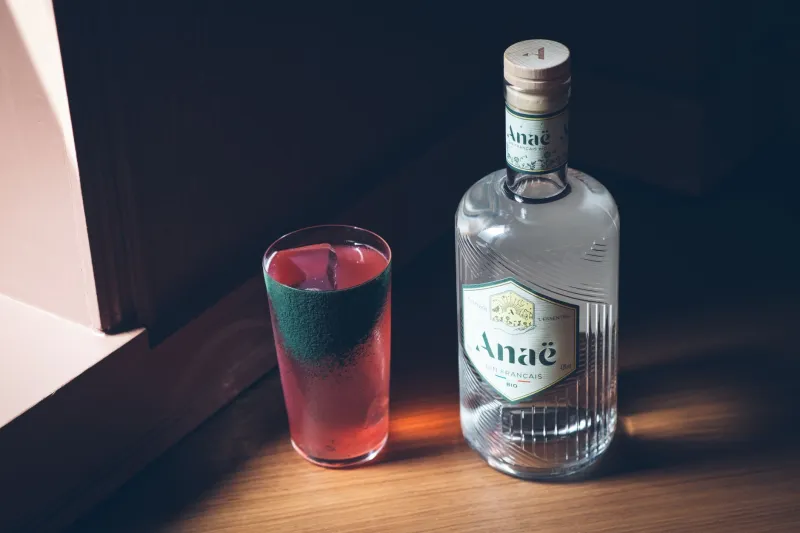
Every great meal deserves a considered ending. Not a hurried departure, not a perfunctory dessert wine poured more out of habit than intention, but a final, deliberate gesture that honors what has come before and gently releases the evening into memory. In France, that gesture has long taken the form of a small, cool glass of anisette — its herbal, anise-forward character acting as both a palate cleanser and a quiet invitation to linger a little longer.
In America, this tradition has been largely overlooked, overshadowed by the dominance of dessert cocktails, after-dinner ports, and the general American preference for endings that are sweet rather than contemplative. But something is shifting. Across the country, a growing number of bartenders, sommeliers, and discerning home hosts are reaching for the bottle of anisette after the last course has been cleared — and discovering, often with some surprise, that it offers something genuinely irreplaceable.
What Anisette Actually Is
Before exploring its revival, it is worth clarifying what anisette is — and what it is not. Unlike pastis, which is an anise-flavored spirit diluted with water and typically enjoyed as an apéritif, anisette is a true liqueur: sweetened, lower in alcohol, and produced through the distillation or maceration of anise seeds. The result is a spirit that is at once more delicate and more nuanced than its stronger cousins, with a sweetness that rounds the edges of its botanical intensity without diminishing it.
Classic French expressions of anisette carry flavors of star anise and green anise, with subtle herbal undertones that vary by producer. At their best, they possess a remarkable complexity — simultaneously refreshing and warming, assertive and refined. It is this duality that makes them so well-suited to the close of a meal, when the palate is both satisfied and still receptive.
The Bartender's Perspective
Marcus Thierry, a beverage director at a French-inspired restaurant in Chicago, began featuring anisette as a digestif option three years ago after a trip to Lyon where he observed its casual prevalence at the end of evening meals. "What struck me," he recalls, "was how natural it felt. There was no ceremony around it — it was simply the thing that arrived when the meal was finished. A small glass, room temperature or lightly chilled, and everyone just... settled into it."
Back in Chicago, he introduced a small digestif menu anchored by two expressions of anisette, served in chilled cordial glasses with a single piece of dark chocolate on the side. The response, he notes, was initially cautious. "Americans tend to be suspicious of anything licorice-adjacent. There's this residual childhood association with black jelly beans that you have to get past." But once guests were persuaded to try it, the reaction was frequently one of genuine revelation. "People would say, 'I didn't know I wanted this.' That's the best possible response to a digestif."
In New York, bar consultant Elise Fontaine has been quietly incorporating anisette into her recommendations for home entertaining clients. "The digestif category in America has been dominated by things like Amaretto and Baileys for so long," she observes. "Anisette offers something categorically different — it's herbal, it's elegant, and it signals to your guests that the evening has been thought through all the way to its conclusion."
Tasting Notes for the Uninitiated
For those approaching anisette for the first time, a few orientation points are helpful. The spirit should be served lightly chilled — not ice-cold, which suppresses its aromatics — in a small cordial or tulip-shaped glass that concentrates the nose. On first approach, the anise fragrance is prominent but not aggressive, more fennel frond than candy shop.
On the palate, a well-made anisette opens with a gentle sweetness, followed by the characteristic herbal warmth of anise and, in many expressions, a whisper of vanilla or citrus peel. The finish is long and clean, with a cooling menthol quality that explains its traditional role as a digestive aid. It does not overwhelm; it concludes.
Pairing anisette with food at the close of a meal requires little deliberation. Dark chocolate amplifies its herbal notes beautifully. A small piece of aged Comté or Manchego provides a savory counterpoint that many find unexpectedly appealing. At Anisette Brasserie, we have found that a simple madeleine — barely sweet, slightly warm — makes an ideal companion to the final glass of the evening.
Bringing the Tradition Home
For those who wish to incorporate anisette into their home entertaining, the approach need not be elaborate. A single quality bottle kept in the freezer door is sufficient. After dinner, as the table clears and conversation settles into its most comfortable register, the appearance of a small tray bearing chilled glasses and a bottle of anisette communicates something powerful to guests: the evening is not over, and there is no reason to rush.
This is, at its heart, the philosophy that animates the French approach to hospitality — the belief that the most meaningful part of any gathering is the unhurried time after the formalities have concluded, when the meal has done its work and the company can simply be itself.
Anisette does not demand attention. It rewards it. And in an era of elaborate cocktail theater and overwrought dessert presentations, there is something genuinely refreshing about an ending that is content to be quiet, warm, and entirely itself.
The Proper Ending
The French have a phrase — en bonne compagnie — that translates roughly as "in good company." It captures something essential about the purpose of anisette at the close of a meal. This is not a spirit designed to impress. It is designed to extend, to ease the transition from the table to the rest of the evening, and to give the conversation one last, unhurried room in which to breathe.
America is learning, slowly and with characteristic enthusiasm, that the ending of a meal matters as much as its beginning. Anisette, patient as ever, has been waiting for us to arrive at that conclusion.