Anisette Reimagined: How a Classic French Liqueur Is Capturing the American Cocktail Moment
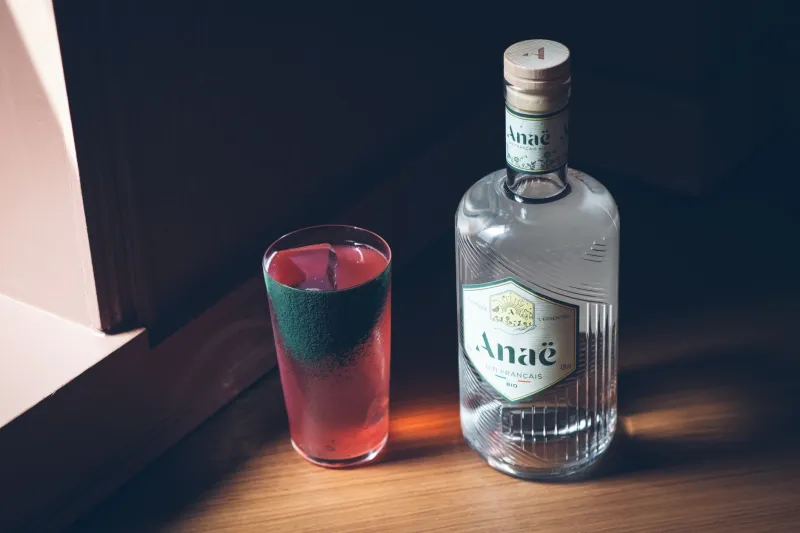
There is a particular kind of satisfaction that comes from rediscovering something the world nearly forgot. In the landscape of American cocktail culture — where novelty often masquerades as innovation — anisette occupies a singular position: a spirit with centuries of French heritage, an unmistakable botanical character, and a story that most American drinkers have only just begun to read.
At Anisette Brasserie, anise has always been more than a flavor. It is the soul of the house, a thread connecting the traditions of the Parisian café to the contemporary American table. And increasingly, that thread is being woven into something genuinely new.
A Spirit Born in the Café, Refined by Time
To understand anisette's current resurgence, one must first appreciate what the spirit actually is — and what it has always represented in French culture. Anisette is a sweet, anise-flavored liqueur, lower in alcohol than its more assertive cousin pastis, and considerably gentler than absinthe. Its origins trace back to the distillation traditions of southern France, where star anise, green anise, and a constellation of botanicals were coaxed into a spirit that was as much medicinal as it was convivial.
For generations of French men and women, anisette was the quiet companion of the afternoon pause — poured over ice, diluted with cold water, and consumed with the unhurried patience that defines the French approach to leisure. In the brasseries and cafés of Lyon, Marseille, and Paris, ordering an anisette was not merely a beverage choice. It was a declaration of belonging to a particular rhythm of life.
In the United States, however, that rhythm was never quite adopted. American drinking culture moved fast, favored the bold, and preferred spirits with a clear narrative: whiskey from Kentucky, gin from London, tequila from Jalisco. Anisette, with its European refinement and somewhat acquired taste, struggled to find its footing.
Why American Bartenders Are Paying Attention Now
The cocktail renaissance that swept American bars in the early 2000s planted seeds that are only now bearing their most interesting fruit. Having exhausted the obvious rediscoveries — amaro, génépi, Chartreuse — a new generation of mixologists is turning toward spirits that reward genuine curiosity. Anisette, with its layered botanical profile and historical depth, fits that criterion precisely.
Part of what makes anisette so compelling to the contemporary bartender is its versatility. Unlike absinthe, which tends to dominate any preparation it enters, anisette integrates. It converses rather than commands. A measured pour can lend a cocktail an herbal lift, a whisper of sweetness, and a finish that lingers with quiet sophistication — without overwhelming the other ingredients.
In cities like New York, Chicago, San Francisco, and New Orleans — where serious cocktail programs have long embraced European spirits — anisette is appearing on menus in ways that would have seemed improbable a decade ago. It is being used as a modifier in stirred whiskey drinks, as a float over citrus-forward shaken cocktails, and as the featured spirit in low-ABV aperitif presentations that align perfectly with the growing sober-curious movement.
Bringing Anisette Into the Home Program
For the American home entertainer, anisette represents an accessible entry point into French drinking culture — one that requires no specialized equipment and very little technical knowledge. The simplest preparation remains among the most elegant: two ounces of anisette, poured over a single large ice cube, with a small pitcher of cold water served alongside. The drinker adds water gradually, watching the spirit louche — that mesmerizing transformation from clear to opalescent — and adjusting the dilution to personal preference. This ritual alone is worth the price of admission.
Beyond the classic serve, anisette opens a range of possibilities for the curious home mixologist:
The Anisette Spritz — Combine one and a half ounces of anisette with three ounces of dry sparkling wine and a splash of elderflower tonic. Serve over ice with a twist of lemon peel. The result is a light, aromatic aperitif that channels the spirit of a Parisian terrace without demanding any particular expertise.
The Provençal Mule — Substitute anisette for the vodka in a traditional Moscow Mule, using ginger beer, fresh lime juice, and a sprig of fresh tarragon as garnish. The botanical affinity between anise and tarragon creates a harmony that feels both unexpected and entirely inevitable.
The Brasserie Sour — Shake together one ounce of anisette, one ounce of fresh lemon juice, three-quarters of an ounce of simple syrup, and one egg white. Double-strain into a coupe glass and garnish with a few drops of Peychaud's bitters. The result is a drink that feels simultaneously classic and modern — frothy, fragrant, and beautifully balanced.
Each of these preparations honors anisette's heritage while speaking to the American palate in a language it already understands.
The Broader Significance of the Revival
The renewed interest in anisette is not merely a cocktail trend. It reflects something more meaningful about where American drinking culture is heading. After years of prioritizing strength, novelty, and spectacle, a significant segment of the American drinking public is beginning to seek out depth, restraint, and narrative. They want to know where a spirit comes from, what tradition it carries, and what it means to drink it thoughtfully.
Anisette answers all of those questions with considerable grace. It comes from a tradition that values the unhurried pleasure of the table over the efficiency of consumption. It carries the weight of French café culture — a culture that Americans have long admired from a respectful distance but are now, finally, beginning to inhabit.
At Anisette Brasserie, we have always believed that the best dining and drinking experiences are those that transport the guest without requiring them to leave the room. A well-poured anisette, served with the appropriate attention and care, accomplishes exactly that. It is Paris in a glass — and it is, at long last, finding the American audience it deserves.
The next time you find yourself reaching for a familiar bottle, consider instead the one that has been waiting quietly on the shelf. It has a great deal to say, if you are willing to listen.