Slow Down and Savor: How the French Ritual of Dining Is Reshaping the American Table
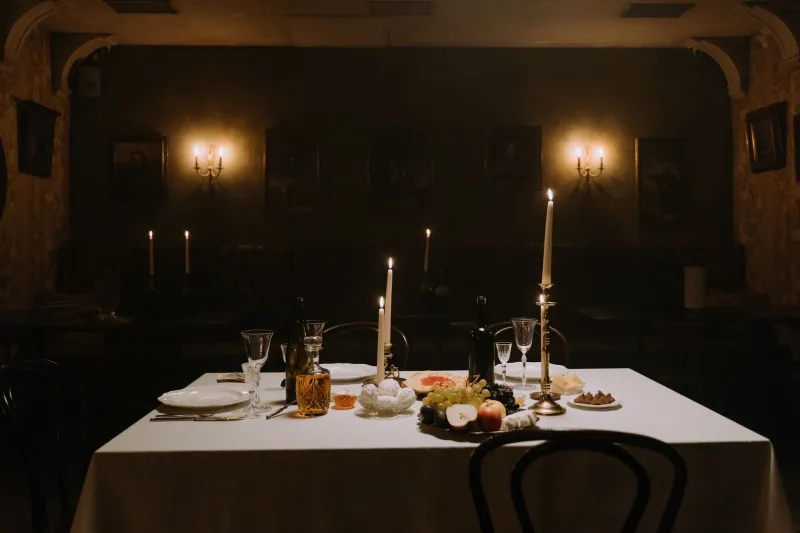
There is a particular kind of stillness that descends over a Parisian brasserie on a Tuesday evening. The bread basket arrives without fanfare. A carafe of water is set down with quiet precision. Conversation unfolds in no particular hurry, and the kitchen — though humming with industry — makes no effort to rush anyone toward the door. Time, in this setting, is not a resource to be managed. It is an ingredient.
For most Americans, that kind of stillness has historically felt like inefficiency. A culture shaped by drive-throughs, lunch breaks measured in minutes, and the cultural mythology of productivity has long viewed a two-hour dinner as an indulgence reserved for anniversaries and expense accounts. But something is shifting. Across the country, from the dining rooms of New York and San Francisco to the supper clubs of Chicago and the emerging brasserie scene in cities like Nashville and Denver, a meaningful number of upscale diners are beginning to embrace what the French have understood for centuries: that the table is not merely a place to eat, but a place to live.
The Architecture of a French Meal
To understand why French dining culture moves at the pace it does, one must first appreciate its structure. A traditional French meal is not a single event — it is a sequence of deliberate acts, each with its own tempo and purpose. The apéritif opens the evening, loosening conversation and preparing the palate. The entrée — which in French refers to the starter, not the main course — arrives as a gentle introduction. The plat principal follows at its own measured pace. Then comes the cheese course, the dessert, perhaps a digestif, and finally the café.
Each transition signals something. A pause between courses is not a failure of service; it is an invitation to be present. Sommeliers and restaurateurs who have spent time studying French hospitality speak of this rhythm as something almost musical — a composition in which silence is as important as sound.
"What strikes most Americans when they first experience a proper French dinner is the absence of urgency," says one sommelier with experience working in both Parisian establishments and American fine dining rooms. "In France, no one is coming to take your plate before you've finished. No one is hovering with the check. The table is yours for the evening, and that changes the entire emotional register of the meal."
Setting the Stage: The Table as a Statement
The physical environment of a French table is itself a kind of argument — an assertion that what is about to happen matters. Linens pressed to a sharp edge. Flatware arranged with geometric intention. Glassware positioned at precise angles. These are not affectations. They are a form of respect, extended from the establishment to the guest, communicating that care has been taken before a single dish has left the kitchen.
American etiquette experts who specialize in European dining traditions note that recreating this atmosphere at home requires less financial investment than most people assume. The principles — clean lines, deliberate placement, the removal of anything that does not serve the meal — are available to anyone willing to slow down enough to apply them.
"A beautiful French table setting does not require expensive china," explains one etiquette consultant who works with clients in the hospitality industry. "It requires intention. Place the bread plate to the left. Position the water glass above the knife. Fold the napkin simply and place it at the center of the setting. These small decisions signal to your guests — and to yourself — that the meal is an occasion worth honoring."
At Anisette Brasserie, these principles inform every table that is set before service begins. The goal is not ostentation, but a quiet elegance that asks the diner to arrive fully — to set aside the distractions of the day and engage with what is in front of them.
Reclaiming the Lost Art of Course Timing
Perhaps the most challenging aspect of French dining culture for Americans to internalize is the relationship between time and pleasure. In a society where productivity is a moral virtue, spending three hours at dinner can feel vaguely transgressive — as though one ought to be doing something else.
But research into the psychology of eating consistently suggests that slower meals are more satisfying ones. When the pace of a dinner allows for genuine conversation, for the appreciation of each dish on its own terms, for the kind of relaxed attention that reveals the complexity in a well-made sauce or a properly aged wine, the experience of eating is fundamentally transformed.
Restaurant owners who have built their businesses around this philosophy speak of a gradual but perceptible shift in their clientele's expectations. Guests who once asked for their check the moment they finished their entrée are now lingering. Tables that were once turned twice in an evening are now turned once — and the guests who occupy them are spending more, tipping more generously, and returning more frequently.
"Americans are not incapable of this kind of dining," observes one brasserie owner who has operated establishments on both sides of the Atlantic. "They simply haven't always been given permission to experience it. Once they do, most of them don't want to go back."
Bringing the Brasserie Home
For those who wish to cultivate this sensibility at their own tables, the path forward is more accessible than it might appear. Begin with the apéritif: a glass of something light and convivial — a pastis, a kir, a glass of Champagne — served before anyone sits down to eat. This simple act reframes the evening, signaling that dinner is not an errand to be completed but an experience to be entered.
Next, resist the impulse to serve everything at once. Allow each course to arrive in its own time, with a natural pause between them. Use that pause. Ask a question. Refill a glass. Let the conversation find its own level.
Finally, consider the cheese course — that most distinctly French of institutions, and one that American diners are increasingly willing to embrace. A small selection of well-chosen cheeses, served after the main course and before dessert, extends the meal in the most civilized possible way and creates a natural bridge between the savory and the sweet.
These are not complicated gestures. They are, in the end, simply acts of hospitality — an acknowledgment that the people gathered at your table deserve more than nourishment. They deserve time.
A Different Measure of Success
The French have a phrase — joie de vivre — that resists clean translation precisely because it describes something Americans have historically struggled to prioritize: the joy of being alive, expressed through the pleasures of daily life. The table, in French culture, is one of the primary theaters in which that joy is enacted.
As American dining culture continues to evolve, and as more upscale diners seek experiences that offer depth rather than mere efficiency, the unhurried elegance of the French brasserie is proving to be not a relic of another era, but a genuinely radical proposition. In a world that moves faster than almost anyone finds comfortable, the invitation to sit down, take your time, and truly taste what is in front of you may be the most generous thing a table can offer.